
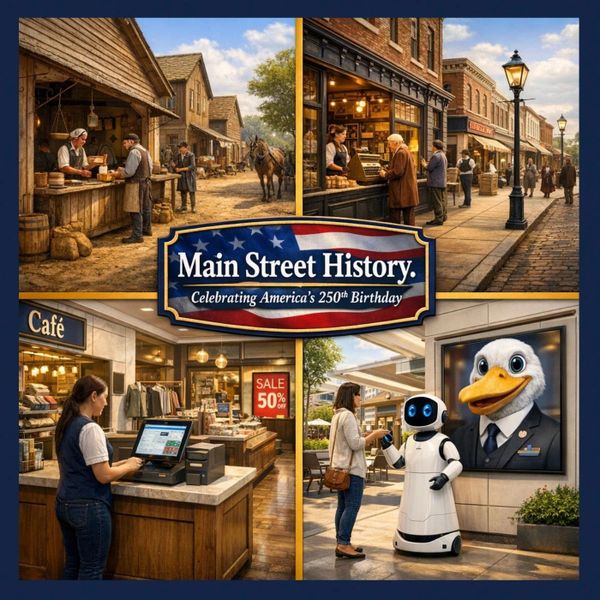
MAIN STREET HISTORY
Between 1750 and 1830, Main Street America was a place of raw motion and quiet invention. What began as muddy roads and candlelit workshops slowly transformed into a new rhythm of making and trading. Water wheels powered sawmills, blacksmiths forged stronger tools, and the cotton gin of 1793 reshaped agriculture and industry alike. Steam engines began to whisper the promise of movement beyond horses and rivers, hinting at an age of unprecedented connection.
LANDING PAGE CONTENT
- Main Street History Regions
- Family and Social Life Impacts
- Economic Impacts
- Infrastructure Impacts
- Educational Impacts

Main Street History in Virtual Reality
Learning Local History with AR Campaigns
Meet Breezy AI - Your Main Street Guide
Mechanized yarn production revolutionized textile supply, lowering fabric costs and fueling affordable clothing sales for early Main Street shops.
Meet Breezy AI - Your Main Street Guide
Learning Local History with AR Campaigns
Meet Breezy AI - Your Main Street Guide
Harnessed waterpower to spin cotton threads at scale, triggering factory-based textiles that expanded inventory for colonial and frontier merchants.
Learning Local History with AR Campaigns
Learning Local History with AR Campaigns
Learning Local History with AR Campaigns
James Watt’s refinements powered mills, presses, and transport, enabling mass-produced goods and reliable shipment to inland trading posts.
Local History with Interactive Robots
Learning Local History with AR Campaigns
Learning Local History with AR Campaigns
Coke-fired furnaces made durable tools and fixtures cheap enough for local hardware and general stores to stock widely. Iron Smelting Improvements (1770s)
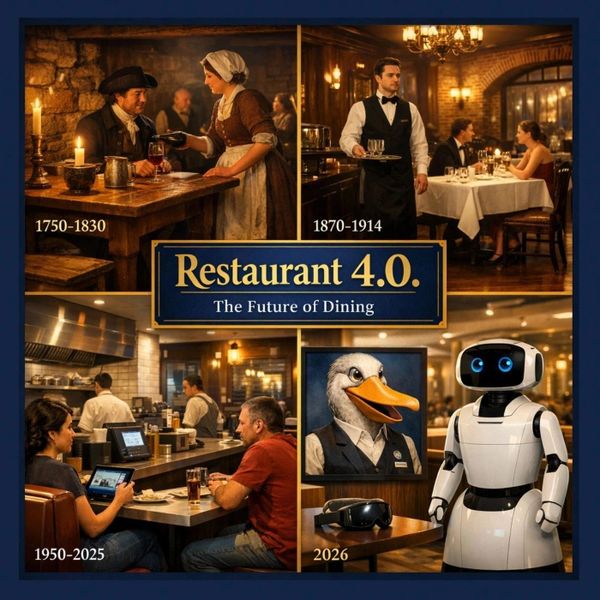
RESTAURANT'S JOURNEY
Between 1750 and 1830, Main Street America was a place of raw motion and quiet invention. What began as muddy roads and candlelit workshops slowly transformed into a new rhythm of making and trading. Water wheels powered sawmills, blacksmiths forged stronger tools, and the cotton gin of 1793 reshaped agriculture and industry alike. Steam engines began to whisper the promise of movement beyond horses and rivers, hinting at an age of unprecedented connection.
LANDING PAGE CONTENT
- Main Street History Regions
- Family and Social Life Impacts
- Economic Impacts
- Infrastructure Impacts
- Educational Impacts
The First Industrial Revolution
The Second Industrial Revolution
The Second Industrial Revolution
Mechanized yarn production revolutionized textile supply, lowering fabric costs and fueling affordable clothing sales for early Main Street shops.
The Second Industrial Revolution
The Second Industrial Revolution
The Second Industrial Revolution
Harnessed waterpower to spin cotton threads at scale, triggering factory-based textiles that expanded inventory for colonial and frontier merchants.
The Third Industrial Revolution
The Second Industrial Revolution
The Third Industrial Revolution
James Watt’s refinements powered mills, presses, and transport, enabling mass-produced goods and reliable shipment to inland trading posts.
Welcome to The Future of Dining
The Second Industrial Revolution
The Third Industrial Revolution
Coke-fired furnaces made durable tools and fixtures cheap enough for local hardware and general stores to stock widely. Iron Smelting Improvements (1770s)
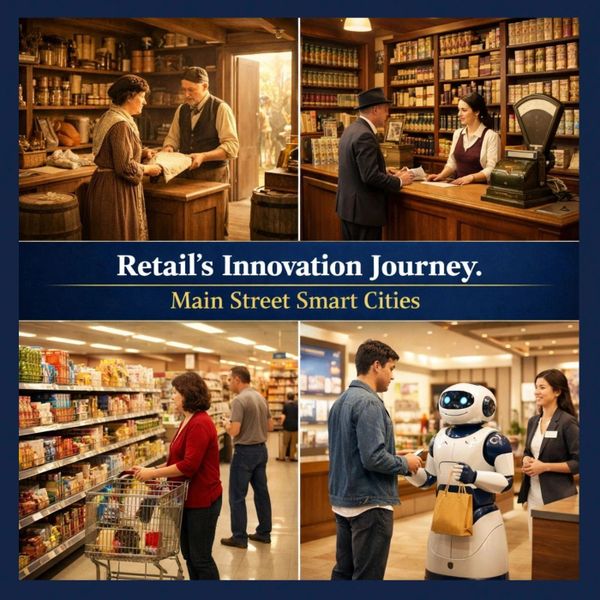
MAIN STREET SHOPPING
Between 1750 and 1830, Main Street America was a place of raw motion and quiet invention. What began as muddy roads and candlelit workshops slowly transformed into a new rhythm of making and trading. Water wheels powered sawmills, blacksmiths forged stronger tools, and the cotton gin of 1793 reshaped agriculture and industry alike. Steam engines began to whisper the promise of movement beyond horses and rivers, hinting at an age of unprecedented connection.
LANDING PAGE CONTENT
- Main Street History Regions
- Family and Social Life Impacts
- Economic Impacts
- Infrastructure Impacts
- Educational Impacts
The First Industrial Revolution
The Future of Main Street Shopping
The Second Industrial Revolution
Mechanized yarn production revolutionized textile supply, lowering fabric costs and fueling affordable clothing sales for early Main Street shops.
The Second Industrial Revolution
The Future of Main Street Shopping
The Second Industrial Revolution
Harnessed waterpower to spin cotton threads at scale, triggering factory-based textiles that expanded inventory for colonial and frontier merchants.
The Third Industrial Revolution
The Future of Main Street Shopping
The Future of Main Street Shopping
James Watt’s refinements powered mills, presses, and transport, enabling mass-produced goods and reliable shipment to inland trading posts.
The Future of Main Street Shopping
The Future of Main Street Shopping
The Future of Main Street Shopping
Coke-fired furnaces made durable tools and fixtures cheap enough for local hardware and general stores to stock widely. Iron Smelting Improvements (1770s)

FUTURE OF SENIOR LIVING
Between 1750 and 1830, Main Street America was a place of raw motion and quiet invention. What began as muddy roads and candlelit workshops slowly transformed into a new rhythm of making and trading. Water wheels powered sawmills, blacksmiths forged stronger tools, and the cotton gin of 1793 reshaped agriculture and industry alike. Steam engines began to whisper the promise of movement beyond horses and rivers, hinting at an age of unprecedented connection.
LANDING PAGE CONTENT
- Main Street History Regions
- Family and Social Life Impacts
- Economic Impacts
- Infrastructure Impacts
- Educational Impacts
The First Industrial Revolution
The Second Industrial Revolution
The Second Industrial Revolution
Mechanized yarn production revolutionized textile supply, lowering fabric costs and fueling affordable clothing sales for early Main Street shops.
The Second Industrial Revolution
The Second Industrial Revolution
The Second Industrial Revolution
Harnessed waterpower to spin cotton threads at scale, triggering factory-based textiles that expanded inventory for colonial and frontier merchants.
The Third Industrial Revolution
The Second Industrial Revolution
The Third Industrial Revolution
James Watt’s refinements powered mills, presses, and transport, enabling mass-produced goods and reliable shipment to inland trading posts.
The Future of Senior Living
The Second Industrial Revolution
The Third Industrial Revolution
Coke-fired furnaces made durable tools and fixtures cheap enough for local hardware and general stores to stock widely. Iron Smelting Improvements (1770s)
San Diego Smart Cities History
Orange County Smart Cities History
Orange County Smart Cities History
Mechanized yarn production revolutionized textile supply, lowering fabric costs and fueling affordable clothing sales for early Main Street shops.
Orange County Smart Cities History
Orange County Smart Cities History
Orange County Smart Cities History
Harnessed waterpower to spin cotton threads at scale, triggering factory-based textiles that expanded inventory for colonial and frontier merchants.
Los Angeles Smart Cities History
Orange County Smart Cities History
Los Angeles Smart Cities History
James Watt’s refinements powered mills, presses, and transport, enabling mass-produced goods and reliable shipment to inland trading posts.
The Future of Senior Living
Orange County Smart Cities History
Los Angeles Smart Cities History
Coke-fired furnaces made durable tools and fixtures cheap enough for local hardware and general stores to stock widely. Iron Smelting Improvements (1770s)